Avoid Hidden Cleaning Fees in Edgware What to Know
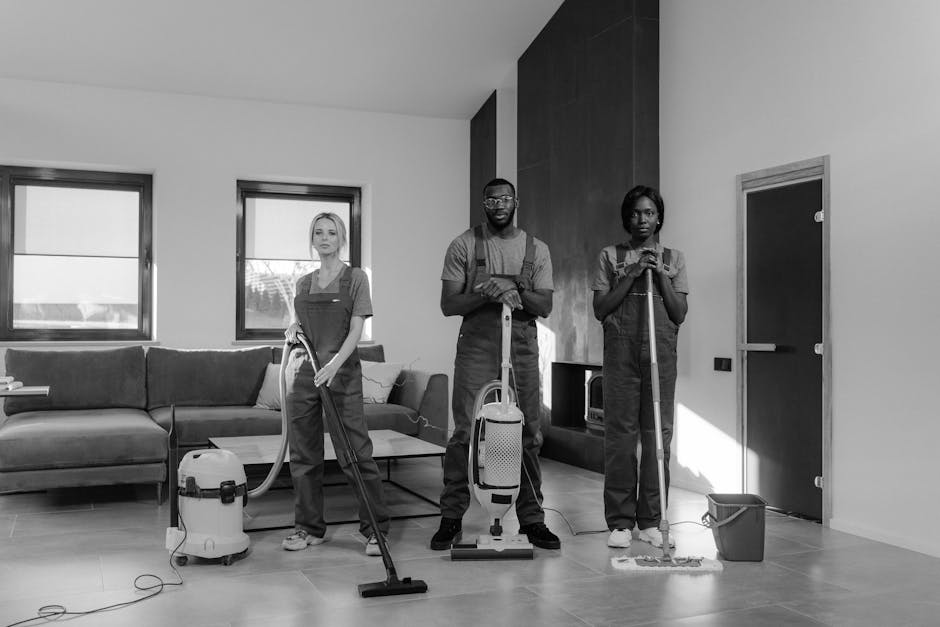
If you have ever compared two cleaning quotes and felt one looked a bit too neat to be true, you are not alone. Hidden charges can turn a reasonable booking into a frustrating surprise, especially when the job seemed simple at first. This guide on Avoid Hidden Cleaning Fees in Edgware What to Know breaks down how extra costs show up, what to ask before you book, and how to judge a quote properly so you can make a calm, sensible decision. No drama. Just the practical stuff that saves money and avoids those awkward follow-up conversations later.
In Edgware, as in much of London, cleaning jobs can vary a lot depending on property size, access, parking, condition, and whether you need something routine or more specialist. A clear quote should reflect that. A vague one? That is where people get caught out. Let's make it easier.
Why hidden cleaning fees in Edgware matter
A cleaning quote should make your life easier, not create detective work. Hidden fees matter because most people budget based on the first number they see. If the final invoice grows later, you may feel misled even if the cleaner did the work fairly. That tension can sour an otherwise good service.
In real life, the extra cost is often not malicious. It might be a charge for parking, unusually heavy limescale, a last-minute request to clean inside appliances, or a property that needed more time than expected. But here is the key point: if those things were not explained before booking, the customer still feels blindsided. And fairly so.
For local customers in Edgware, this matters even more because homes, flats, and commercial spaces can come with different access conditions. A top-floor flat with no lift is not the same as a ground-floor studio. A clean office near the station is not the same as a larger premises with shared access and strict timings. Hidden fees often creep in when the quote does not reflect those realities.
Expert summary: A trustworthy cleaner is not always the cheapest one. The best value is usually the quote that is specific, written clearly, and honest about what is included, what is not, and what could change the price.
If you want to understand pricing structure in more detail, it helps to review the company's pricing and quotes information before you agree to anything. That single step can save a lot of back-and-forth later on.
How hidden cleaning charges usually appear
Hidden fees are rarely hidden in the sense of being impossible to find. More often, they are tucked away in small print, assumed rather than stated, or introduced after the cleaner arrives and spots a condition that changes the job. The issue is not only the fee itself; it is the lack of clarity around it.
Here are the most common ways extra charges show up:
- Condition-based add-ons - The cleaner inspects the property and says it needs deeper work than expected.
- Task-based extras - Oven cleaning, carpet stain removal, window interiors, or appliance cleaning may not be included in the base price.
- Access costs - Parking, congestion-related costs, key collection, or difficult access can be charged separately.
- Time-based adjustments - The job takes longer than the original estimate because the property is larger or more cluttered than described.
- Minimum charge policies - Some companies have a lower booking threshold even if the actual task is small.
To be fair, some of these are perfectly normal if explained clearly. The issue starts when the quote sounds complete but is actually only partial. You might think you are booking a one-off clean, then find out the bathroom descaling, inside fridge clean, and stair access are all extra. Small line items can stack up quickly. Annoyingly quickly.
This is why a proper service page matters. For example, if your job is a deeper reset rather than a light tidy, a service such as deep cleaning is often priced differently from regular maintenance, because the scope is simply not the same. That is not a hidden fee; that is a different service. The distinction is important.
Key benefits and practical advantages
When you know how to spot hidden fees, you gain more than just cost control. You also get better service planning, less stress, and a cleaner comparison between providers. That sounds obvious, but it changes the whole booking experience.
1. More accurate budgeting
Once you understand what affects cost, you can budget realistically. That helps whether you are booking a weekly home clean, a move-out clean, or a one-off refresh before guests arrive. No one likes opening an invoice and thinking, "Wait, where did that come from?"
2. Better comparison between providers
Two quotes may look similar, but one may include supplies, equipment, and labour while the other excludes several essentials. Knowing how to compare them properly means you are not comparing apples with pears. Or oranges. Or, let's be honest, a mystery fruit basket.
3. Fewer disputes
Clear expectations reduce awkward conversations. If the scope is written down, the cleaner knows what is expected, and you know what you are paying for. Everyone saves time.
4. Improved service quality
When the provider knows the exact scope, they can bring the right equipment and allocate enough time. That usually leads to a better clean, not just a cheaper one.
5. Better decision-making for specialist work
Some jobs genuinely need specialist attention, such as stubborn carpet marks, pet odour issues, or post-renovation dust. A transparent quote helps you decide whether to book a specialist service like carpet cleaning, pet stain odour removal, or after builders cleaning instead of assuming a basic visit will cover everything.
Who this is for and when it makes sense
This topic matters to almost anyone booking cleaning in Edgware, but some people feel the impact more sharply than others.
- Tenants moving out - A move-out job can be full of add-ons if the flat needs more work than expected.
- Landlords and agents - You need predictable costs and clear standards, especially when turnaround time is tight.
- Busy households - Families often need recurring support, and vague pricing becomes expensive over time.
- Small businesses - Offices and shops can face access, timing, and scope questions that affect cost.
- Hosts and short-let owners - Fast turnovers leave very little room for misunderstandings.
It also makes sense if you have been burned before. Maybe the cleaner did good work but charged extra for something you assumed was included. That happens more often than people admit. The lesson is not to distrust everyone. It is to ask better questions.
If you are booking ongoing upkeep, services such as regular cleaning or house cleaning are usually easier to price accurately than ad hoc jobs, because the scope becomes more predictable over time.
Step-by-step guidance
Here is a simple way to reduce the risk of hidden fees before you book.
Step 1: Describe the job in plain detail
Say what rooms need cleaning, what condition they are in, and whether there are any awkward bits: heavy build-up, pet mess, lime scale, stained carpet, or fragile surfaces. If the job includes stairs, parking issues, or key collection, mention that too. It is better to overshare a little than miss the one detail that changes the quote.
Step 2: Ask what the quote includes
Do not settle for a headline price alone. Ask whether supplies, equipment, VAT if applicable, travel, and specific tasks are included. A proper quote should make scope obvious.
Step 3: Ask what could change the price
This is the question many people skip. Ask directly: "What would make this cost more?" That one sentence can reveal a lot. If the answer is vague, that is usually a warning sign.
Step 4: Confirm any extras in writing
Once you know what is included, make sure the booking notes or email confirm it. Not because people are dishonest, necessarily. It just avoids memory gaps, and memory is a slippery thing when both sides are busy.
Step 5: Check access and timing
If parking is limited or the property sits in a busy area, clarify whether that affects the quote. For properties near busier parts of Edgware, access can matter more than people expect. A five-minute delay can turn into a real cost if the cleaner has to rework the schedule.
Step 6: Review the final invoice before paying
Check that the invoice matches the agreed scope. If something is different, ask for a clear explanation. Good companies should have nothing to hide, and a calm query is usually enough to sort things out.
Step 7: Keep the booking record
Save the quote, booking message, and invoice. If there is any later question, you will have a paper trail. That sounds boring, but boring is useful. Very useful.
Expert tips for better results
After enough quoting conversations, a few patterns become obvious. The people who avoid hidden charges are not lucky. They are just methodical in a sensible way.
- Be specific about the property type - A one-bed flat, a family house, and a commercial unit are all very different jobs.
- Ask whether consumables are included - Cloths, sprays, descalers, and specialist products may or may not be covered.
- Separate routine from restorative work - A light refresh and a rescue clean are not the same thing.
- Check for minimum hours or call-out fees - These can matter more than the hourly rate.
- Confirm access details early - Lift, stairs, entry codes, concierge rules, and parking can all influence cost.
- Match the service to the problem - For instance, stubborn ovens are usually better handled as oven cleaning rather than bundled vaguely into "general cleaning."
One practical trick: ask the cleaner to tell you what they would not include in the quote. That often reveals more than asking what is included. Slightly odd, but it works.
If you are comparing specialist jobs, useful pages like end of tenancy cleaning, move out cleaning, and move in cleaning can help you understand how the scope changes between similar-sounding services.
Common mistakes to avoid
Most hidden-fee problems come from a small number of avoidable mistakes. Nothing fancy. Just everyday assumptions.
Assuming "all-inclusive" means everything
That phrase can be slippery. It may mean labour and standard supplies only, not specialist tasks or heavy soiling. Always ask what the phrase covers in practice.
Ignoring access and parking
In London, access is not a tiny detail. It can affect timing, effort, and sometimes cost. If the cleaner has to spend ages finding parking or carrying equipment long distances, the job changes.
Not mentioning the real condition
If a room is more cluttered or dirty than you described, a quote based on a tidy room will not hold. Honesty up front is not just polite; it is economical.
Skipping the written confirmation
Verbal agreements are easy to misremember. A short written note is better. Even a brief email can save a headache later.
Choosing only on headline price
The cheapest quote may exclude the things you actually need. Sometimes you end up paying more overall, which is the opposite of saving.
Using the wrong service type
A one-off clean may not be enough for post-renovation dust. A domestic tidy may not suit a shared office. Matching the service properly matters more than people think.
Tools, resources and recommendations
You do not need fancy software to avoid hidden fees. A simple approach works best.
- Booking checklist - Write down rooms, condition, access, and any extra tasks before requesting a quote.
- Photo reference - A few clear photos can help a provider judge the job properly. Not glamorous, but very effective.
- Email or message trail - Keep the written quote, agreed scope, and any changes together.
- Invoice review - Compare the final bill to the original agreement before paying.
- Service pages - Look at the provider's service descriptions so you know whether a task is meant to be standard or specialist.
You may also find it helpful to review practical company information such as terms and conditions, insurance and safety, and payment and security. These pages often explain how pricing, liability, and payment handling work in a more formal way.
For broader service context, browsing options like domestic cleaning, one-off cleaning, commercial cleaning, or office cleaning can help you compare what is usually included across different job types.
Law, compliance, standards, and best practice
When cleaning services are priced transparently, it is not just good manners. It is good business practice. While the exact legal and tax treatment can vary depending on the provider and the arrangement, the basic principle is simple: customers should understand what they are paying for before agreeing to a job.
In the UK, traders are generally expected to present pricing clearly and avoid misleading statements. For consumers, the practical takeaway is straightforward: if a quote feels incomplete, ask for it to be clarified before work starts. That is the safest route.
For providers, best practice usually includes:
- clear descriptions of included tasks
- explanation of likely extras
- transparent payment terms
- reasonable communication about changes to scope
- documented complaint handling
That last point matters. If a customer is unhappy, a fair complaints process can resolve the issue before it turns into a bigger problem. You can also look at the company's complaints procedure if you want to see how issues are handled in a structured way.
For properties where hygiene, safety, or specialist access matters, standards become even more relevant. A professional cleaning team should be able to explain how they manage products, equipment, and safe working practices without sounding vague or evasive. If they cannot explain it simply, that is worth pausing over.
Options, methods, or comparison table
Different booking styles suit different situations. Here is a simple comparison to help you judge which approach gives you the least risk of hidden costs.
| Booking approach | Best for | Risk of hidden fees | What to ask |
|---|---|---|---|
| Fixed-price quote | Defined jobs with a clear scope | Lower, if the scope is honest | What exactly is included and excluded? |
| Hourly rate | Flexible jobs or ongoing support | Medium, because time can stretch | Is there a minimum charge or estimate cap? |
| Per-room pricing | Standard home cleaning | Medium, depending on room condition | Do size and mess level change the price? |
| Specialist add-on model | Jobs needing extras like ovens or carpets | Lower if listed clearly; higher if vague | Which add-ons are standard, and which cost extra? |
In practice, fixed-price quotes are easier to trust when the task is well defined. Hourly pricing can still be fair, but you need more detail. Per-room pricing works best when the property is standard and the condition is known. Specialist add-ons are fine too, as long as they are named openly rather than slipped in quietly at the end.
Case study or real-world example
Picture a family in Edgware booking a spring clean after a busy few months. The first quote looks attractive. Nice and simple. A flat price, quick response, no fuss. But the property has a small flight of stairs, a heavily used oven, a dog that has shed everywhere, and a few carpet marks in the living room. None of that was included in the original description.
On arrival, the cleaner realises the job will take longer and requires specialist products. Suddenly the final amount is higher. Nobody is thrilled, which is understandable.
Now compare that with a better booking process. The customer sends a few photos, explains the stair access, mentions the oven, and notes that the carpets need attention. The provider responds with a clearer quote and names the likely extras in advance. The price may be a little higher at first, but the final bill is predictable. No surprises. Much less stress.
That is the real lesson. Hidden fees are not always about bad people. Often they are about poor scoping. Better information on both sides solves most of it.
Practical checklist
Use this before you confirm a cleaning booking in Edgware.
- Have I described the property clearly?
- Did I mention stairs, access, parking, or key collection?
- Do I know exactly what the quote includes?
- Have I asked what could increase the price?
- Are supplies and equipment included?
- Are specialist tasks listed separately?
- Is the quote or agreement in writing?
- Do I understand any minimum charge or call-out fee?
- Have I checked the provider's terms and conditions?
- Do I know what to do if the final invoice differs from the quote?
Check those boxes and you are already ahead of most people. Honestly, by a fair margin.
Conclusion
Avoiding hidden cleaning fees in Edgware is really about one thing: clarity. The more specific you are about the job, the easier it is to get an honest quote and avoid awkward surprises later. That applies whether you are booking a family home clean, office support, a deep reset, or a specialist service.
Take your time with the quote. Ask the small questions. Confirm the scope. Keep the paper trail. None of that is overcautious; it is just sensible. And in a market where prices can vary for perfectly valid reasons, sensible is a good place to be.
If you are comparing options now, start with the service details and pricing information, then choose the provider that explains things plainly and answers questions without fuss. That is usually the one you will feel best about afterwards.
Get a free quote today and see how much you can save.
Frequently Asked Questions
What counts as a hidden cleaning fee?
A hidden cleaning fee is any extra charge that was not made clear before you booked, such as parking, specialist stain removal, or added work for heavier-than-expected dirt.
How do I know if a cleaning quote is honest?
An honest quote usually states what is included, what is excluded, and what could change the price. If the answer is vague or rushed, ask for more detail before agreeing.
Are all extra charges bad?
No. Some extra charges are fair if they are explained in advance and relate to actual extra work. The problem is surprise charges that appear after the job starts or ends.
Should I ask for a written quote?
Yes, absolutely. A written quote reduces misunderstandings and gives you something to compare against the final invoice if questions come up later.
Do parking and access costs really matter in Edgware?
They can, yes. In busy parts of London, parking, stairs, lift access, or difficult entry can affect how long a job takes and whether extra charges apply.
Is a fixed price better than an hourly rate?
Not always. A fixed price is often easier to manage for defined jobs, while hourly pricing may suit flexible work. The key is clarity, not just the pricing model.
How can I avoid being charged twice for the same thing?
Ask whether a task is already included in the base price before agreeing to any add-on. Keep the original quote and compare it with the invoice once the work is finished.
What should I do if the final bill is higher than expected?
Ask for a clear explanation and compare it with the agreed scope. If something was not disclosed before the job, raise it politely and refer back to the written quote or messages.
Do specialist services usually cost more?
Yes, often they do, because they involve extra time, equipment, or products. That is normal if the service is described properly from the start.
Can I reduce the chance of hidden charges by sending photos?
Yes. Photos help a cleaner judge the condition of the property more accurately and reduce the chance of surprises on the day.
What if I only need a small cleaning job?
Even small jobs can have minimum charges or call-out fees, so it is still worth asking what the base price covers before you book.
Where should I check company policies before booking?
Look at the provider's pricing, terms, complaints, insurance, and payment pages. Those usually give you a much clearer picture than a short advert ever will.
Sometimes the simplest bookings are the ones worth slowing down for. A few careful questions now can save money, time, and a bit of stress later - and that is a decent trade every time.