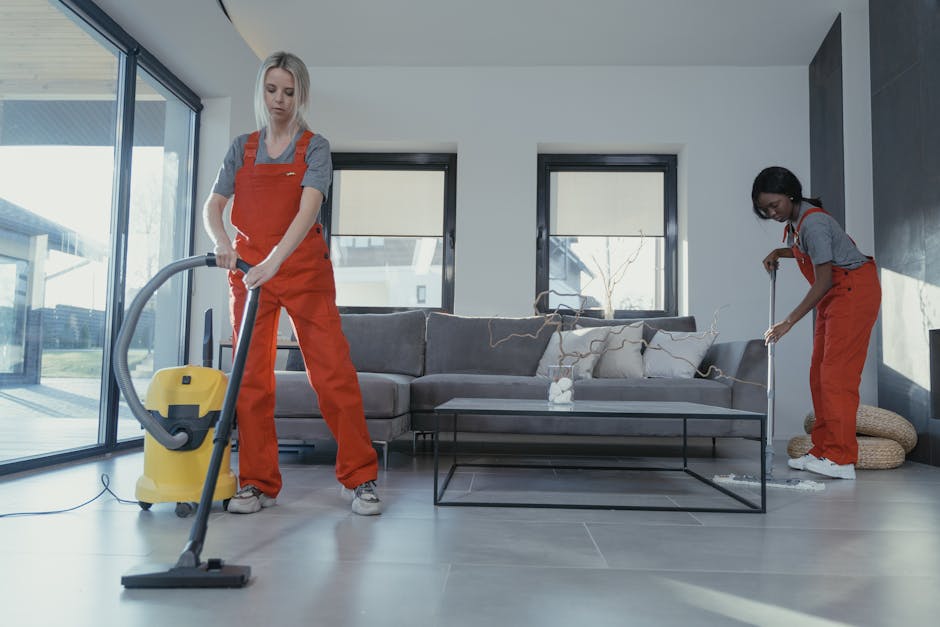
Edgware Station End of Tenancy Cleaning Services: A Practical Guide to a Cleaner Handover
Moving out is rarely just about boxes, keys, and a final walk-through. It is usually a mix of deadlines, dust, deposit worries, and that one cupboard you meant to sort three weeks ago. Edgware Station End of Tenancy Cleaning Services exist for exactly that moment: when you need the property to look properly cleaned, feel fresh, and stand up to inspection. If you are leaving a flat near the station, a family home off the busy roads, or a rental with a lot of lived-in wear, a thorough end of tenancy clean can make the handover much smoother.
This guide explains what the service includes, how it works, who it suits, and what to check before you book. You will also find practical tips, common mistakes to avoid, and a realistic checklist you can actually use. No fluff. Just the useful stuff, in plain English.
Table of Contents
- Why Edgware Station End of Tenancy Cleaning Services Matters
- How Edgware Station End of Tenancy Cleaning Services Works
- Key Benefits and Practical Advantages
- Who This Is For and When It Makes Sense
- Step-by-Step Guidance
- Expert Tips for Better Results
- Common Mistakes to Avoid
- Tools, Resources and Recommendations
- Law, Compliance, Standards, or Best Practice
- Options, Methods, or Comparison Table
- Case Study or Real-World Example
- Practical Checklist
- Conclusion
- Frequently Asked Questions
Why Edgware Station End of Tenancy Cleaning Services Matters
End of tenancy cleaning matters because moving out is not the same as everyday domestic cleaning. A property can look tidy and still fail an inspection if grime is left in less obvious places: behind appliances, around taps, inside extractor hoods, on skirting boards, or in bathroom sealant. Let's face it, these are the details most people miss when they are juggling removals, paperwork, and the last night in a half-empty flat.
For tenants, the clean is closely tied to the condition you leave behind. For landlords and letting agents, it is about preparing the property for the next occupant quickly and consistently. For anyone living or renting around Edgware Station, where properties range from compact apartments to larger family homes, the service is especially useful because local move-outs often come with tight turnaround times and little room for error.
A good end of tenancy clean is not just a "big clean". It is a reset. Surfaces are cleaned methodically, limescale is removed where possible, kitchens and bathrooms are brought back to a presentable standard, and floors are left properly finished. It can be the difference between a rushed exit and a calm, professional handover.
Expert summary: if a room will be inspected by someone else, clean it as though they are looking for the details you would miss on a normal Saturday morning. That mindset helps a lot.
It also reduces the chance of awkward back-and-forth later. Nobody enjoys a dispute over dust on a blind or a greasy oven tray. A structured end of tenancy clean is simply a sensible way to avoid that stress.
How Edgware Station End of Tenancy Cleaning Services Works
The process is usually more organised than people expect. A proper service starts with understanding the property, its current condition, and any problem areas that need attention. From there, the team works through the home room by room, focusing on high-traffic, high-impact areas first: kitchen, bathrooms, living spaces, bedrooms, hallways, and internal windows where included.
In practical terms, the service may overlap with a deep cleaning approach, but the priority is the move-out standard. That means reaching the parts of the property that matter most during inspection, not just making the place look tidy at a glance.
A typical clean often includes:
- kitchen surfaces, cupboard fronts, sinks, splashbacks, and appliances
- oven cleaning and degreasing of cooking areas
- bathroom sanitising, descaling, and polish of taps and fittings
- dust removal from skirting boards, shelves, switches, and accessible fixtures
- vacuuming and mopping of floors
- spot cleaning of marks on doors, handles, and visible surfaces
- attention to windows, internal glass, and frame edges where agreed
Some properties need more than the basics. If a tenancy has been long, if pets have been present, or if a home has had a lot of everyday use, you may also need carpet cleaning, upholstery cleaning, or targeted stain removal. That is where the service becomes more tailored, and honestly, more effective.
The best approach is usually a final inspection in daylight if possible. Morning light is unforgiving, but helpful. It shows what a room really looks like, not what it looks like under a hallway bulb at 8 p.m. A small thing, but it matters.
Key Benefits and Practical Advantages
There is a practical reason people book professional end of tenancy cleaning rather than trying to squeeze everything into one exhausting evening. It saves time, lowers stress, and usually produces a more consistent result. That consistency is valuable when another person will judge the property against a tenancy standard or inventory report.
- Better presentation for inspection: clean, fresh spaces are easier to review and hand over.
- Less last-minute pressure: you can focus on removals, forwarding post, and the final admin.
- More thorough coverage: professionals tend to clean the overlooked spots that matter in move-out checks.
- Useful for difficult areas: ovens, bathrooms, greasy kitchen surfaces, and hard-to-reach dust patches.
- Suitable for time-sensitive moves: ideal when the property needs to be turned around quickly.
There is also a psychological benefit that people often ignore. Once the clean is done properly, the flat or house suddenly feels finished. The echo changes. The surfaces look bare and open. It sounds odd, but that sense of closure helps when you are moving on to somewhere else.
If you are combining the move with a broader property refresh, other services may help too. For example, a home that needs a wider reset before new occupants arrive may benefit from move out cleaning, while the incoming resident may want move in cleaning once the property is empty and ready.
Who This Is For and When It Makes Sense
This service makes sense for tenants, landlords, letting agents, property managers, and even homeowners who want the place left in excellent condition before a sale or handover. The phrase "end of tenancy" sounds narrow, but the actual use cases are broader than that.
You will probably need it if:
- you are leaving a rented property and want it cleaned to a professional standard
- you are moving on a deadline and do not have time for a full clean yourself
- the property has visible kitchen grease, bathroom buildup, or heavy general wear
- there are carpets, curtains, upholstery, or hard floors needing extra attention
- the home has been empty for a while and has collected dust or odours
It also makes sense for people who are moving at the same time as jobs, school runs, or the general chaos of life. Because, well, who has the spare energy to scrub an oven when the van is arriving in an hour?
In some cases, it is worth pairing the clean with other specialist help. A tenancy left with pet smells may need pet stain odour removal. A property with lingering smells from cooking or smoke may need extra treatment on fabrics, hard surfaces, or ventilation points. The key is not to guess. Assess what is actually there, then choose accordingly.
Step-by-Step Guidance
If you want the process to go smoothly, treat it like a small project instead of a last-minute scramble. Here is a practical way to handle it.
- Check your tenancy expectations. Read the inventory, check-out notes, and any cleaning clauses in the agreement. You do not need to become a legal expert. Just know what the property will be compared against.
- Walk through the property slowly. Look at kitchens, bathrooms, skirting, inside cupboards, limescale spots, carpets, and marks on walls. Make notes with your phone if needed.
- Separate the "clean" from the "repair". Cleaning can remove dirt, dust, and grime. It cannot fix chipped paint, broken fittings, or permanent wear. That distinction saves a lot of frustration.
- Declutter first. Remove personal items, food, rubbish, and anything left in cupboards. Cleaning is always better when the space is clear.
- Decide whether you need extras. If carpets are visibly dirty, or if the oven has years of baked-on residue, add those services before the job starts.
- Book in good time. Leave enough room before key handover. A same-day move-out and clean can work, but it is far less comfortable than having a buffer.
- Do a final check after the clean. Open cupboards, inspect taps, look at floor edges, and check light switches and handles. You do not need to hunt for flaws like a detective, but a quick review is sensible.
A small practical note: if you are still living in the property while the clean is booked, keep one area aside for your essentials. Toothbrush, charger, documents, pet items. Otherwise you end up unpacking a suitcase on the kitchen floor and nobody wants that.
Expert Tips for Better Results
From experience, the clean goes better when the property is prepared properly before the team arrives. That does not mean you must do half the job yourself. It means giving the clean the right conditions to succeed.
Tip 1: deal with hidden build-up early. Grease around the cooker, dust on top of cabinets, and soap residue in shower tracks are all easier to tackle before the rest of the home fills with moving boxes.
Tip 2: tell the cleaner about problem areas. If there is a stubborn mark on a worktop or an old stain near a radiator, mention it. Even a quick heads-up can improve the result.
Tip 3: avoid overloading the schedule. If the cleaners arrive while removal vans, electricians, or family members are still coming and going, the job takes longer and gets messier. Try to create a quiet window if you can.
Tip 4: take photos before and after. Not for drama. Just for clarity. If anything needs to be shown later, you have a record. That is especially useful in busy London move-outs where details can blur together fast.
Tip 5: think about fabric and floor care. If a property has soft furnishings or carpets that have taken a beating, booking a combined clean can be more effective than piecemeal fixes. It is often cleaner, simpler, and less expensive in the long run.
And yes, the oven usually deserves its own section in life. It always does.
Common Mistakes to Avoid
Most move-out problems are surprisingly ordinary. Not dramatic. Just avoidable.
- Leaving cleaning until the final evening. That is when you miss details and start making rushed decisions.
- Assuming tidy means clean. A neat room can still have dust, marks, and residue in all the wrong places.
- Forgetting appliances and fixtures. Fridges, ovens, sinks, extractor fans, and bathroom fittings are easy to overlook.
- Not removing belongings first. Cleaning around clutter creates gaps and missed corners.
- Booking without checking what is included. Some properties need extra attention on carpets, windows, or upholstery, and not every package is identical.
- Expecting cleaning to fix damage. A stain may improve, but a burn mark or cracked tile is a different issue.
The big one is underestimating how much grime hides in plain sight. Skirting boards, switch plates, door frames, and window ledges can make a space feel tired even when the main surfaces look fine. It is annoying, but true.
Tools, Resources and Recommendations
You do not need a van full of equipment to prepare for an end of tenancy clean, but a few sensible tools help if you are doing any pre-cleaning yourself.
- microfibre cloths for dust and marks
- a vacuum with a crevice tool for edges and corners
- non-abrasive cleaner for worktops and painted surfaces
- descaler for taps, shower screens, and sinks if appropriate
- bin bags, boxes, and labels for clearing rooms quickly
- a torch on your phone for checking behind appliances and in cupboards
If you want to understand service options better, it can help to look at related treatments such as one off cleaning for a broader reset, or oven cleaning when the kitchen needs specialist attention. If carpets are especially tired, steam carpet cleaning is often a practical way to restore freshness without making assumptions about the fabric.
For properties with mixed surfaces, another useful option is hard floor cleaning, particularly where hallways, kitchens, or living spaces have tiles, laminate, or sealed wood. Every home is a little different, so the right mix depends on what is actually in front of you, not just the room count.
Law, Compliance, Standards, or Best Practice
Without getting too legalistic, end of tenancy cleaning in the UK usually sits within tenancy agreement terms, inventory standards, and general expectations of reasonable care. The exact obligation depends on the tenancy, the property condition at move-in, and what was agreed in writing. If there is any uncertainty, it is always smarter to review the agreement carefully rather than guess.
Best practice usually means leaving the property in a clean and presentable condition, with attention to items that are commonly checked during checkout inspections. That includes kitchens, bathrooms, floors, and visible surfaces. For rented homes, the real benchmark is often not "perfect" but "consistently clean and professionally finished".
From a safety and trust perspective, it also helps to use a provider that is transparent about how they work. For example, checking a company's insurance and safety, reading its health and safety policy, and understanding its terms and conditions are sensible steps before booking. That is not being fussy. That is being careful with your move.
Privacy and payment matters are worth a glance too, especially if you are sharing access details, timing instructions, or card details online. The relevant pages on privacy policy and payment and security can help you understand how that side is handled.
Options, Methods, or Comparison Table
Not every move-out requires the same level of work. Here is a simple comparison to help you decide what fits.
| Option | Best for | Typical strength | Watch out for |
|---|---|---|---|
| Basic end of tenancy clean | Well-kept properties with light wear | Covers core handover areas | May not be enough for heavy grease, stains, or carpets |
| End of tenancy plus deep clean | Homes with more built-up dirt or longer occupancy | More detailed, more thorough | Takes more time and planning |
| End of tenancy with carpet or upholstery care | Homes with visible floor or fabric wear | Improves freshness and presentation | Needs correct treatment for the material |
| One-off full property reset | Empty properties needing a wider refresh | Flexible and broad in scope | May not match formal checkout expectations on its own |
In real life, many people combine two or three of these. That is often the sweet spot. Not too much, not too little. Just enough to make the property feel properly finished.
Case Study or Real-World Example
Here is a simple example drawn from a very typical move-out situation. A tenant in a one-bedroom flat near Edgware Station had a short gap between moving the last boxes out and returning the keys. The kitchen looked acceptable at a glance, but the oven had heavy residue, cupboard tops were dusty, and the bathroom had scale around the taps. The carpet in the living room also had a few dull traffic marks near the sofa area.
Rather than try to do everything in a rush, the tenant booked a focused end of tenancy clean, added carpet cleaning for the main room, and asked for extra attention on the kitchen and bathroom. The result was not magic. Nothing theatrical. Just a clean, fresh flat that looked ready for inspection instead of half-finished. The biggest win was probably peace of mind. No one was pacing around with a cloth at 10 p.m., which is a victory in itself.
That sort of outcome is common when the job is planned properly. The clean feels less stressful, the handover feels more organised, and everyone involved can move on without drama. Truth be told, that is what most people want in the end.
Practical Checklist
Use this before and after the clean to keep things under control.
- Remove all personal belongings and rubbish
- Check tenancy notes and checkout expectations
- Empty cupboards, fridge, and drawers
- Defrost appliances if needed and leave enough time
- Flag stains, marks, or problem areas in advance
- Decide whether carpets, upholstery, or oven care are needed
- Ensure access arrangements are clear
- Turn on lights or leave any required utilities available
- Do a quick post-clean inspection in daylight if possible
- Take photos of the finished property for your own records
If you want a broader refresh for the whole property, you can also consider domestic cleaning for general home upkeep, or regular cleaning if you are settling into a new place and want a routine rather than a one-off reset.
Get a free quote today and see how much you can save.
Conclusion
Edgware Station End of Tenancy Cleaning Services are really about making a move easier, cleaner, and less risky. They help properties look properly finished, reduce the chance of missed details, and give tenants and landlords a more confident handover. If your move is already feeling crowded with decisions, this is one job that is worth simplifying.
Start with a clear view of what the property needs, choose the right level of clean, and leave enough time for the work to be done properly. That alone can remove a surprising amount of pressure. And once the last room is done, the whole place tends to feel different, almost lighter. Which, after a move, is a very welcome thing.
For more about the company behind the service, you can also read about the team or review the pricing and quotes information before booking. If you need help with access or have questions before the job, use the contact page. Small steps, but they make the process far easier.
Frequently Asked Questions
What is included in Edgware Station end of tenancy cleaning?
It usually includes a thorough clean of kitchens, bathrooms, living areas, bedrooms, floors, surfaces, skirting boards, and commonly inspected fixtures. Some bookings also include oven, carpet, or window cleaning depending on the property and the agreement.
How is end of tenancy cleaning different from regular cleaning?
Regular cleaning keeps a home tidy on an ongoing basis, while end of tenancy cleaning is more detailed and designed for a move-out inspection. It reaches more hidden areas and focuses on presentation as well as hygiene.
Do I need professional cleaning if the property already looks clean?
Often, yes. A property can look tidy and still have dust, grease, limescale, or buildup in places that show up during checkout. That is why a proper move-out clean is often worth it.
How long does an end of tenancy clean usually take?
It depends on the property size, condition, and any extras such as carpet or oven cleaning. A small, well-kept flat may take much less time than a larger home with heavier wear.
Should I book carpet cleaning with end of tenancy cleaning?
If the carpets are visibly marked, dull, or heavily used, it is usually a smart addition. It helps the property look fresher and can improve the overall impression during inspection.
Can end of tenancy cleaning remove old stains completely?
Not always. Some stains are removable, some improve a lot, and some are permanent because of the material or how long they have been there. Good stain removal is useful, but it is not a guarantee for every mark.
What should I do before the cleaners arrive?
Remove belongings, clear cupboards, dispose of rubbish, and make access arrangements clear. If there are problem spots or delicate surfaces, mention them in advance so the team can plan properly.
Is oven cleaning usually included?
Sometimes it is included, sometimes it is a separate add-on. It is one of the most commonly overlooked areas, so it is worth checking before booking rather than assuming it will be covered.
What if I need the property cleaned after builders have been in?
If renovation or repair work has left dust and debris behind, an after builders cleaning service may be more suitable first, or alongside the end of tenancy clean. Builder dust behaves differently and can spread everywhere, as many people discover the hard way.
Can landlords or letting agents book this service too?
Yes. It is often useful for landlords, agents, and property managers who need a reliable clean between tenancies or before a new tenant moves in.
How do I know if the service is trustworthy?
Look for clear information on service scope, safety, insurance, pricing, and terms. Transparent communication is a good sign. So is a proper complaints process if anything needs raising later.
What is the best way to prepare for a move-out inspection?
Book the clean early, remove clutter, check the inventory, and make sure the property is finished before the final walkthrough. A calm, systematic approach tends to work much better than a last-minute rush.