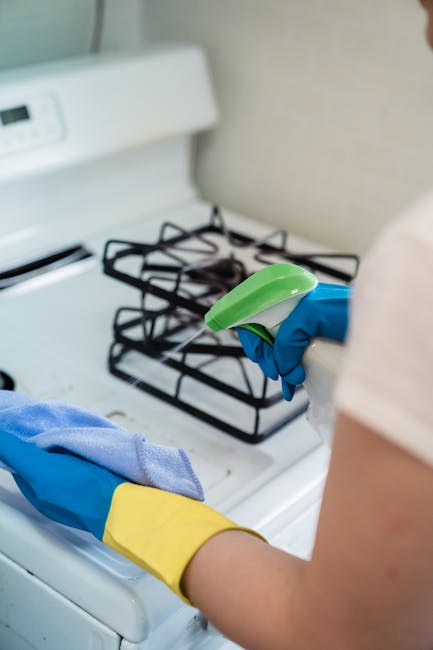
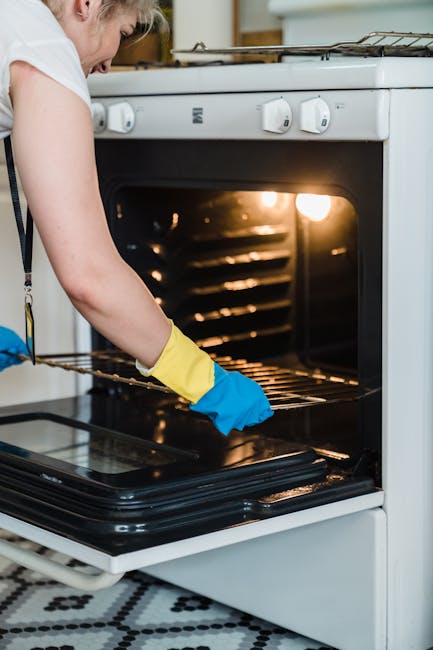
Hale Lane Oven Cleaning and Extraction Service Edgware
If your oven has started to smoke, smell a bit burnt, or leave a greasy film on nearby surfaces, you are probably already past the point where a quick wipe will do the job. The same goes for extraction systems. When grease builds up, performance drops, odours linger, and the whole kitchen feels harder to keep under control. This guide on Hale Lane Oven Cleaning and Extraction Service Edgware explains what the service involves, why it matters, and how to choose the right approach for a domestic or commercial kitchen in the Edgware area.
In plain English: a proper oven and extraction clean is not just about looks. It is about hygiene, airflow, fire safety, and getting your kitchen back to a condition that feels manageable. Whether you are running a busy food business, preparing a rental property, or just trying to rescue a family oven that has seen one too many Sunday roasts, the details matter. A lot, actually.
For readers who want a broader view of related cleaning options, the company also provides professional oven cleaning alongside deep cleaning services and commercial cleaning support.
Table of Contents
- Why Hale Lane Oven Cleaning and Extraction Service Edgware Matters
- How Hale Lane Oven Cleaning and Extraction Service Edgware Works
- Key Benefits and Practical Advantages
- Who This Is For and When It Makes Sense
- Step-by-Step Guidance
- Expert Tips for Better Results
- Common Mistakes to Avoid
- Tools, Resources and Recommendations
- Law, Compliance, Standards, or Best Practice
- Options, Methods, or Comparison Table
- Case Study or Real-World Example
- Practical Checklist
- Conclusion
- Frequently Asked Questions
Why Hale Lane Oven Cleaning and Extraction Service Edgware Matters
Ovens and extraction systems do two difficult jobs every day: they handle heat and they handle mess. If either one is neglected, you tend to notice it gradually. First there is a bit of smoke. Then a stubborn smell. Then grease collecting on the fan, hood, filters, door seals, or the inside of the oven itself. Before long, what should be a useful kitchen tool starts behaving like a temperamental old appliance that needs coaxing every time you switch it on.
In Hale Lane and the wider Edgware area, kitchens can be busy places. Family homes cook daily meals. Takeaways and food businesses may rely on extraction systems for long hours. Let's face it, grease does not care how tidy you usually are. It creeps in, layer by layer, and once it hardens, cleaning becomes slower and more disruptive.
There are three main reasons this service matters:
- Hygiene: grease and food residue can harbour smells and make surfaces harder to sanitise.
- Performance: blocked filters and grimy fans reduce airflow and can make extraction less effective.
- Safety: excessive grease build-up is a risk factor in any kitchen, especially where heat and open cooking are routine.
There is also a simple quality-of-life point. A clean oven cooks more evenly, smells fresher, and is far less annoying to use. You know the sort of difference: the oven door opens without a haze of stale smoke puffing out, and suddenly cooking feels normal again. That little relief matters more than people admit.
Expert summary: if the oven or extractor is visibly greasy, smells when hot, or takes more effort to keep clean than to use, it is probably due for a professional service rather than another round of DIY scrubbing.
How Hale Lane Oven Cleaning and Extraction Service Edgware Works
A proper cleaning service for ovens and extraction systems is usually more methodical than a household clean. It is not just "spray, wait, wipe." The aim is to remove baked-on grease, carbonised residue, and hidden dirt from the parts that matter most, without damaging finishes or sensitive components.
For ovens, the process typically includes assessing the appliance, isolating it safely, dismantling removable parts where appropriate, and cleaning shelves, trays, glass panels, side walls, racks, seals, and interior surfaces. The cleaner may use specialist products designed to loosen stubborn grease without stripping coatings or leaving harsh residue behind. A good result should look clean, but also feel safe to use immediately after the job is complete.
For extraction systems, the focus is a little different. The service often covers accessible hoods, filters, fan housings, visible ducting sections, and grease-prone surfaces around the extraction unit. In commercial settings, the actual scope can vary depending on the layout, access, and how the system is built. In some kitchens, extraction cleaning is straightforward. In others, it is a bit of a puzzle, and the right order matters more than brute force.
That is why experience counts. A technician who understands both oven cleaning and extraction cleaning knows where residue usually hides, how grease behaves when heated, and which surfaces need gentler handling. A rushed clean can leave unpleasant patches behind. Worse, it can make the appliance look fine for a day and then reveal streaks, drips, or lingering smells once it heats up again.
For customers looking at service quality, it may help to review the company's health and safety policy and insurance and safety information. Those pages are useful because they show how a provider thinks about risk, process, and accountability, not just the final shine.
What a thorough clean usually targets
- Oven interior and roof
- Door glass and seals
- Racks, trays, and removable fittings
- Extractor hoods and filters
- Visible grease deposits around fan areas
- Accessible external surfaces and touchpoints
Key Benefits and Practical Advantages
The obvious benefit is cleanliness, but the real value runs a bit deeper. A good oven and extraction clean changes how the kitchen feels to work in. There is less smoke when you preheat. Less sticky residue around the hob. Less of that faint fried smell hanging in the air on a cold evening. Small things, yes, but they add up.
Better cooking performance
Heavy grease can affect heat circulation and make cooking less even. When the oven is clean, heat tends to distribute more reliably. That can help with everyday meals and reduce the annoyance of hot spots, undercooked corners, or food that browns strangely on one side.
Improved airflow
Extraction systems work best when filters and accessible components are free from clogging. A cleaner system can remove steam, odours, and grease-laden air more effectively. In a busy kitchen, that means a calmer cooking environment and fewer complaints about lingering smells.
Reduced fire risk factors
No honest service can promise to eliminate risk altogether, of course. But grease build-up is widely recognised as something you do not want sitting near heat sources. Keeping on top of cleaning is one of the simplest preventative habits available.
Longer equipment life
When dirt and grease build up, appliances work harder than they should. Over time that can contribute to wear, staining, and unnecessary strain on moving parts. Regular maintenance is rarely glamorous, but it is cheaper than replacement.
Better presentation for homes and businesses
If you are preparing a property for new occupants, finishing a tenancy, or welcoming customers, the oven and extraction system are part of the overall impression. A spotless hob area tells people you have paid attention. A greasy one does the opposite. Harsh, but true.
| Area | DIY Clean | Professional Clean |
|---|---|---|
| Stubborn grease removal | Often partial, especially on baked-on residue | More thorough and systematic |
| Time required | Usually several hours, sometimes more | Typically much less disruptive |
| Access to hidden areas | Limited | Better reach to removable and accessible components |
| Finish quality | Can be uneven | More consistent, provided the system is suitable |
| Risk of damage | Higher if incorrect products are used | Lower when handled by trained cleaners |
Who This Is For and When It Makes Sense
This service is not just for restaurants with heavy-duty kit. In fact, some of the most satisfied customers are ordinary households that have simply reached the point where the oven needs proper attention. You might need Hale Lane oven cleaning and extraction service Edgware if any of these sound familiar:
- Your oven smokes every time it heats up.
- Food smells pick up a burnt or greasy note.
- The extractor is noisy but not doing much.
- Filters look dark, clogged, or sticky.
- You are moving out and want the kitchen to present well.
- You have recently completed building work and the kitchen has picked up dust or residue. In that case, after builders cleaning may also be relevant.
- You manage a rental, holiday let, or shared property and need the kitchen ready for the next user.
For landlords and tenants, this service often fits neatly alongside end of tenancy cleaning, move out cleaning, or move in cleaning. That is especially useful when the kitchen needs to be returned to a high standard without dragging the work out over several weekends.
Commercial clients have slightly different priorities. Cafes, takeaways, small restaurants, and shared kitchens care about grease management, pace, and minimal downtime. A cleaner may need to work around opening hours or access restrictions, which is where planning becomes more important than people expect.
Truth be told, a lot of people wait too long. They think, "I'll sort it next month," and then next month turns into three months. That is usually when the job becomes messier and less pleasant. No judgement. It happens.
Step-by-Step Guidance
If you are deciding how to approach an oven and extraction clean, it helps to understand the usual sequence. The exact details vary by appliance type and layout, but the process generally follows a sensible order.
- Assess the condition: Check the oven, hood, filters, fan area, and visible grease build-up.
- Prepare the space: Clear nearby items, protect surrounding surfaces if needed, and make sure the cleaner can access the appliance safely.
- Isolate power where appropriate: Safety comes first. Electrical appliances should not be treated casually.
- Remove detachable parts: Racks, trays, filters, and some panels may be removed for separate cleaning.
- Apply appropriate cleaning products: Specialist degreasers are often used to soften baked-on residue before wiping or rinsing.
- Detail the hard-to-reach areas: Door seals, corners, and edges need careful attention because they collect grime quietly.
- Clean and reassemble: Once parts are clean and dry, they are put back correctly.
- Test and finish: A final check confirms the oven heats properly and the extraction system is functioning as expected.
The same broad logic applies whether the job is domestic or commercial, though commercial extraction systems may require more detailed inspection and access planning. That part can get technical. A little boring, yes, but boring is good when it means the system is being handled properly.
A simple homeowner approach before booking
- Check whether the oven is still heating normally.
- Look for smoke, odour, or dark residue around the fan or hood.
- Notice if filters need replacing rather than just wiping.
- Decide whether you need one-off help or recurring maintenance.
- Gather any notes about appliance type, access issues, or past cleaning.
Expert Tips for Better Results
After years of seeing what works and what causes avoidable stress, a few practical points stand out. These are the things people often overlook, and then wonder why the results do not last.
1. Clean before build-up hardens too much. A light layer of grease is always easier to remove than a baked-on crust. Waiting usually costs more in time and effort later.
2. Pay attention to filters. On extraction systems, filters are often the first thing to clog. If they are ignored, the whole system starts feeling underpowered.
3. Do not mix strong chemicals casually. It sounds obvious, but people do it. One cleaner plus another cleaner plus hot water is not always a clever cocktail.
4. Match the service to the appliance. Not every oven, hood, or extraction system is built the same. Some need gentler handling. Some need deeper access. One size does not really fit all.
5. Keep nearby surfaces in mind. Splashback tiles, handles, knobs, and cabinet edges often show the impact of grease before the oven itself does.
6. Think in intervals, not emergencies. For busy kitchens, scheduled cleaning is usually better than waiting for a crisis clean after smoke has become part of the cooking routine.
If you are also dealing with other hard-working surfaces in the home or business, services like hard floor cleaning, window cleaning, or communal area cleaning may help keep the rest of the property at the same standard. Consistency matters. It really does.
Common Mistakes to Avoid
People usually make a clean harder by trying to rush it or by using the wrong approach. That is especially true with greasy kitchen equipment. Here are the mistakes that come up again and again.
- Using abrasive pads on glass or coated surfaces: they can scratch or cloud the finish.
- Skipping the extraction filters: if those stay dirty, the system never feels fully clean.
- Reassembling before everything is dry: it can trap residue or create unpleasant smells when the appliance heats up.
- Assuming every stain is harmless: some dark patches are just old grease, but others need proper attention.
- Trying to force parts apart: if a piece does not release easily, there is usually a reason.
- Ignoring the surrounding kitchen: an oven can look clean while the hood, tiles, or handles still show grime.
One small but common issue: people clean the visible front and forget the inside edges of the door. Then the first time they cook again, the leftover grime shows up in the heat and spoils the effect. Annoying. Easily avoided, though.
Tools, Resources and Recommendations
You do not need a giant kit to understand or manage this service well, but a few practical tools and habits help.
Useful cleaning tools
- Microfibre cloths for lifting grease without scratching
- Non-abrasive sponges for general wiping
- Appropriate degreasers designed for kitchen surfaces
- Gloves for protection and grip
- Small brushes for corners, seals, and filter edges
- Protective coverings for surrounding worktops when needed
Helpful service planning documents
- Appliance make and model details, if available
- Notes on access limitations
- Any previous cleaning history you can remember
- Photographs of heavy build-up if you are requesting a quote
For pricing clarity, it is worth reviewing the company's pricing and quotes information before booking. And if you are concerned about payment handling, the payment and security page is a sensible place to check what happens next.
On the environmental side, some customers like to understand how waste, cloth use, and cleaning materials are managed. The recycling and sustainability page gives a broader picture of that approach.
Law, Compliance, Standards, or Best Practice
For kitchen cleaning, the main thing is to follow safe, sensible practice rather than chase dramatic claims. In the UK, businesses are generally expected to maintain hygienic, well-managed premises, and food-related environments carry extra responsibility. The exact obligations depend on the type of premises and how the kitchen is used, so it is wise not to treat one setting as the same as another.
Best practice usually includes:
- Using suitable cleaning products for the material and grease type
- Working safely around electricity and heat sources
- Keeping extraction components accessible and maintained
- Recording maintenance where that makes sense for a business
- Making sure the clean does not damage equipment or void warranties through improper treatment
For commercial kitchens, it is especially sensible to schedule cleaning before grease becomes a compliance headache. Nobody wants to discover a problem during a busy service or a property inspection. Nobody.
If you are booking a provider, it is sensible to look at company background too. The about us page helps build a clearer sense of who is behind the service, while the terms and conditions can clarify expectations around scope and service delivery. If anything ever needs raising, there is also a published complaints procedure.
Options, Methods, or Comparison Table
There are a few ways to approach oven and extraction cleaning, and the right choice depends on the level of build-up, the equipment type, and how much disruption you can tolerate.
| Method | Best For | Pros | Limitations |
|---|---|---|---|
| Basic DIY wipe-down | Light surface dirt | Cheap, quick, useful between deeper cleans | Usually not enough for heavy grease |
| DIY deep clean | Moderate domestic build-up | Flexible, can be done at home | Time-consuming, risk of using wrong products |
| Professional oven clean | Thick residue, busy households, tenancy changes | More thorough, less stress, better finish | Costs more than DIY |
| Professional oven plus extraction clean | Homes and businesses needing full kitchen refresh | Better overall hygiene and airflow | May need access planning and more time |
For some customers, a one-off service is enough. For others, regular maintenance makes more sense. If the kitchen is used heavily every day, a single yearly clean can be a bit like mopping up after a leak with a teaspoon. Better than nothing, sure, but not ideal. In those cases, a recurring arrangement may be more practical than occasional rescue work.
Case Study or Real-World Example
Here is a simple real-world example based on a typical job pattern. A small household in Edgware had an oven that looked fine from the outside, but every roast dinner left a smoky haze in the kitchen. The extractor had become noisy, and the filter was visibly clogged. The family had been living with it for months because each meal still got cooked, so the problem felt easy to ignore.
During the clean, the greasy build-up inside the oven turned out to be heavier than expected, especially along the roof and around the door edges. The extractor filters needed much more attention than a surface wipe would have provided. Once cleaned, the kitchen smelled noticeably fresher after heating, and the oven no longer produced the same smoky burst at start-up.
The biggest benefit, interestingly, was not the "before and after" photo moment. It was the day-to-day ease. No more hovering by the oven with the window open in winter. No more wondering whether supper would set the smoke alarm off. Just a kitchen that behaved like it should. Simple, but very satisfying.
A comparable scenario often comes up in rental and shared homes too. When one oven has been used by several people, deep cleaning becomes less about perfection and more about resetting the space properly for the next person. That is where services such as domestic cleaning or one-off cleaning can sit alongside the oven service quite naturally.
Practical Checklist
Use this checklist if you are preparing for a Hale Lane Oven Cleaning and Extraction Service Edgware appointment.
- Clear access to the oven and extraction unit
- Remove food, pans, and loose items nearby
- Check whether the appliance is working normally
- Note any strange smells, smoke, or unusual noise
- Tell the cleaner about coatings, delicate finishes, or past damage
- Confirm whether filters are removable or fixed
- Make sure the area has reasonable ventilation
- Ask about expected drying or re-use time
- Review what is included and what is not
- Keep a simple maintenance plan for after the service
Quick takeaway: the better the prep, the smoother the clean. It saves time, reduces surprises, and gives the results a better chance of lasting.
Get a free quote today and see how much you can save.
Conclusion
Hale Lane Oven Cleaning and Extraction Service Edgware is one of those services people often delay until the kitchen is clearly telling them enough is enough. But once it is done properly, the difference is immediate. The oven looks better, smells better, and behaves better. The extraction system works more effectively. Cooking feels less like a battle with grease and more like, well, cooking.
For homeowners, landlords, tenants, and business owners alike, the smart move is usually the same: act before heavy build-up becomes stubborn, time-consuming, and avoidably stressful. A careful clean restores confidence in the kitchen and helps keep the space safe, presentable, and easier to maintain.
If you are at the stage where you keep noticing smoke, odour, or sticky residue, that is your cue. Not panic. Just a sensible next step. And once it is sorted, you will probably wonder why you left it so long.
Frequently Asked Questions
What does Hale Lane Oven Cleaning and Extraction Service Edgware usually include?
It usually covers the oven interior, racks, trays, glass, seals, and accessible extraction components such as filters and hood surfaces. The exact scope depends on the appliance and the job requirements.
How often should I book oven and extraction cleaning?
For homes, the right interval depends on how often you cook. Busy households may need a deeper clean every few months, while commercial kitchens may need a more regular schedule. Heavy use means shorter gaps between cleans.
Can this service help with burnt smells and smoke?
Yes, in many cases. Burnt smells and smoke often come from grease or carbonised residue heating up inside the oven or extraction system. A thorough clean can reduce or remove the source of the problem.
Is professional oven cleaning better than DIY?
For light grime, DIY may be enough. For baked-on grease, stained glass, or clogged extraction filters, professional cleaning is usually more effective and less frustrating.
Will the cleaner remove the oven doors or other parts?
They may remove removable parts where appropriate and safe to do so. This depends on the model and the service scope. Some appliances allow easier disassembly than others.
Is extraction cleaning important in a home kitchen?
Yes, especially if the extractor is used often. Even domestic kitchens gather grease and dust in filters and hoods, which can reduce airflow and leave lingering odours.
What should I do before the appointment?
Clear access to the oven, move nearby items, and mention any appliance issues or delicate surfaces. If possible, let the provider know about heavy build-up in advance so they can plan properly.
Can this service be booked with other cleaning jobs?
Yes, and that is often sensible. It can sit alongside services such as deep cleaning, end of tenancy cleaning, or house cleaning depending on the property.
How long does an oven and extraction clean take?
Timing varies with condition, equipment type, and access. A lightly soiled domestic oven may take less time than a heavily used kitchen system, so it is best treated as a case-by-case job.
Will the kitchen smell like chemicals afterwards?
A proper clean should not leave a strong lingering chemical smell. Any odour should be minimal and temporary when products are used correctly and the area is ventilated well.
Do I need to be home during the service?
That depends on the property and your comfort level. Many customers prefer to be present for access and a brief handover, then let the cleaner work. For businesses, staff supervision may be more practical.
What if I need help with another part of the property too?
That is quite common. Depending on the space, you may also want carpet cleaning, sofa cleaning, or window cleaning to bring the wider property up to the same standard.