Sustainable Cleaning and Recycling Watling Avenue Edgware: A Practical Local Guide
If you live, work, or manage a property near Watling Avenue in Edgware, sustainable cleaning and recycling is no longer a nice extra. It is simply the smarter way to keep spaces clean, control waste, and avoid that endless cycle of throwaway products and mixed-bin mess. In practice, Sustainable Cleaning and Recycling Watling Avenue Edgware means using better cleaning methods, choosing materials more carefully, and handling waste so more of it is reused, recovered, or recycled correctly. It sounds straightforward, but the details matter. A lot.
This guide breaks down what sustainable cleaning actually looks like on the ground, how it works in everyday homes and commercial spaces, who it is best for, and what to avoid if you want decent results without creating extra waste. We will also look at the practical side: recycling routines, greener product choices, sensible cleaning schedules, and where services like recycling and sustainability support can fit into your wider routine.
Truth be told, most people do not need a lecture. They need clear steps, a workable plan, and a few honest pointers about what makes the biggest difference. Let's do that.
Table of Contents
- Why Sustainable Cleaning and Recycling Watling Avenue Edgware Matters
- How Sustainable Cleaning and Recycling Watling Avenue Edgware Works
- Key Benefits and Practical Advantages
- Who This Is For and When It Makes Sense
- Step-by-Step Guidance
- Expert Tips for Better Results
- Common Mistakes to Avoid
- Tools, Resources and Recommendations
- Law, Compliance, Standards, or Best Practice
- Options, Methods, or Comparison Table
- Case Study or Real-World Example
- Practical Checklist
- Conclusion
- Frequently Asked Questions
Why Sustainable Cleaning and Recycling Watling Avenue Edgware Matters
Sustainable cleaning is about getting the job done with less waste, less unnecessary chemical use, and fewer disposable items. Recycling matters because cleaning tasks generate a surprising amount of material: cardboard packaging, plastic bottles, paper towels, worn cloths, broken tools, and the odd bulky item that ends up becoming a headache if no one planned for it properly.
In a busy part of Edgware, especially along a corridor like Watling Avenue where homes, shops, offices, and communal buildings all overlap, waste can build up quickly. A shared bin store can look tidy one day and become chaotic the next. One incorrect sack, one contaminated recycling bag, and suddenly the whole thing is more awkward than it needed to be. That is why a disciplined approach makes sense.
There is also the practical side. Sustainable cleaning can reduce repeat purchases, protect surfaces better, and make routines easier to maintain. If you use the right cloth, the right dilution, and the right disposal method, you often end up doing less work later. Sounds small. It is not small.
For landlords, tenants, business owners, and property managers, this approach also supports a better standard of care. A clean space that is maintained properly tends to age better, smell fresher, and feel more pleasant to use. And yes, people do notice. They may not comment on the cleaning cloth, but they will notice the results.
How Sustainable Cleaning and Recycling Watling Avenue Edgware Works
The idea is simple, even if the execution takes a bit of discipline. Sustainable cleaning usually combines four things: careful product selection, smarter use of water and energy, waste separation, and reuse where safe and practical.
1. Product choice
Instead of using strong products for everything, sustainable cleaning starts with the least aggressive option that still works. Microfibre cloths, refillable bottles, and targeted cleaners can reduce waste and cut down on overuse. For example, a well-diluted general cleaner may be enough for regular maintenance, while a deeper task might need a specialist treatment. No need to spray half the cupboard at a single surface. We have all seen that happen.
2. Method matters more than volume
People often think greener cleaning means "eco" labels only. Not quite. It also means using the correct method. A careful pre-vacuum, the right dwell time, and sensible agitation often do more good than just adding more product. The same applies to things like steam carpet cleaning, which can reduce the need for heavy chemical loading when used appropriately.
3. Waste separation
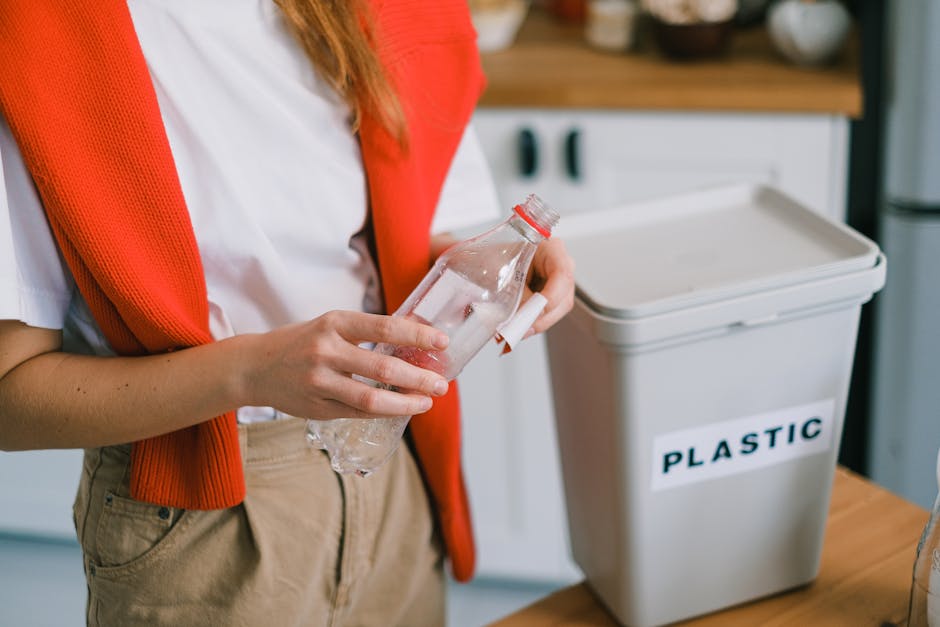
Recycling works only when materials are kept separate and reasonably clean. In real life, that means assigning bins clearly, removing contamination, and not treating every item as a "recyclable" because it looks reusable at first glance. Coffee cups, greasy food containers, and mixed-material packaging can all trip people up. That is normal. The trick is building a system that makes the right disposal easier than the wrong one.
4. Reuse and repair
Reusable cloths, washable mop heads, durable pads, and refill systems all help. It is a bit boring, perhaps, but boring in a good way. A properly maintained toolkit lasts longer and generates less waste. For businesses, this can be especially useful in back-of-house areas where cleaning is constant and turnover is high.
In more complex settings, sustainable cleaning may also include careful handling of clearance waste and old household items through house clearance, especially when a property is being refreshed rather than stripped bare. That keeps recyclable material moving in the right direction instead of being mixed into general waste by default.
Key Benefits and Practical Advantages
The benefits go beyond feeling virtuous, which is nice but not enough on its own.
- Less waste: Reusable materials and smarter product use reduce what goes in the bin.
- Lower cleaning friction: Clear systems save time because staff or household members know what to use and where to put things.
- Better presentation: Clean, well-kept spaces tend to look more cared for, especially in entrances, kitchens, and bathrooms.
- Improved surface care: The right cleaner and the right method help protect fabrics, flooring, and fixtures.
- More predictable routines: If cleaning and recycling are planned properly, there are fewer last-minute scrambles.
- Potential cost control: You may spend less on unnecessary disposables and avoid waste from overuse.
A smaller but real advantage is morale. People tend to treat a space better when the systems around them are tidy and logical. A clean bin area encourages correct disposal. A stocked cleaning cupboard encourages better habits. It is one of those quiet improvements that adds up.
For commercial settings, this can also support a more professional impression. Pairing a greener routine with commercial cleaning or office cleaning makes sense where footfall, shared facilities, and repeated waste streams are part of daily life.
Who This Is For and When It Makes Sense
This approach suits more people than you might think. It is not just for ultra-eco households or polished office towers.
- Homeowners who want a cleaner house without filling cupboards with single-use products.
- Tenants and landlords trying to keep rented properties tidy between moves.
- Local businesses that need consistent cleanliness and a decent waste routine.
- Managed buildings where shared bins, corridors, and entrances need regular attention.
- Short-let hosts who want fast turnarounds with less waste.
It is especially useful when cleaning creates a lot of repeated material. Think of a flat with pets, a kitchen that sees daily use, an office with paper waste, or a block entrance that collects dust, packaging, and the odd wet umbrella on a grey morning. You do not need a perfect system. You need one that stays workable on a Tuesday afternoon when everyone is busy.
If you are dealing with deeper mess, a one-off reset can help. Services such as deep cleaning, move-in cleaning, or move-out cleaning can be paired with better recycling habits so the space starts fresh and stays easier to manage.
Step-by-Step Guidance
Here is a sensible way to build sustainable cleaning and recycling into daily life on or near Watling Avenue. Nothing fancy. Just a reliable process.
- Map the waste streams. Look at what is actually being thrown away: general waste, cardboard, plastics, glass, textiles, food waste, and bulky items.
- Reduce before you recycle. Stop buying unnecessary disposables. If a reusable option exists and is practical, use it.
- Set clear bin points. Put recycling bins where people naturally need them. If the bin is awkward to reach, people will make the wrong choice.
- Choose products carefully. Use concentrated cleaners, refillable bottles, and cloths that can be washed and reused.
- Label everything plainly. Labels should tell people exactly what goes where. Fancy wording can actually make things worse.
- Train everyone who uses the space. Household members, cleaners, staff, or tenants should understand the basics.
- Review regularly. If contamination keeps happening, the system needs adjustment, not blame.
For fabric-heavy homes or shared accommodation, it often helps to fold specialist care into the process. For example, a regular plan might combine regular cleaning with carpet cleaning or upholstery cleaning, so dust, spills, and odours do not keep returning.
Small note from experience: if you skip the review stage, you end up with nice bins and bad habits. And then everyone wonders why the recycling area looks as if a confetti machine exploded. It happens.
Expert Tips for Better Results
These are the little things that make a proper difference.
- Use dry removal first. Before adding liquid cleaner, remove loose soil, crumbs, dust, and debris. It improves results and cuts product waste.
- Match the product to the surface. Glass, wood, stone, textiles, and metal all behave differently. One universal product is rarely the best answer.
- Do not over-wet fabrics or floors. Overuse can lead to longer drying times and, in some cases, damage or odour.
- Keep a "problem items" box. Items like batteries, mixed plastic packaging, and worn-out textiles may need separate handling rather than tossed into general recycling.
- Plan cleaning around waste collection. This sounds obvious. Still, many people clean first and only then discover the recycling area is full.
- Use durable consumables. Strong cloths, washable mop heads, and sturdy bins save money over time.
For stain-heavy environments, a focused treatment path can help. Services such as stain removal and pet stain odour removal are more efficient when the rest of the cleaning routine is already organised. That way, you are not just masking issues; you are preventing them from hanging around.
Also, give people an easy win. A clearly labelled caddy or a single visible recycling point often works better than a dozen half-used containers scattered around the place. Humans are practical creatures, mostly.
Common Mistakes to Avoid
Most problems in sustainable cleaning come from good intentions paired with vague systems. A few examples keep showing up.
- Using too much product: More cleaner does not automatically mean better cleaning. Often it means extra residue and more waste.
- Mixing clean and dirty recyclables: Food residue, liquid, and contamination can ruin otherwise recyclable material.
- Buying cheap single-use items in bulk: It looks economical at first, but the waste stream grows quickly.
- Ignoring storage: If cleaning supplies are stored badly, people use the wrong thing or duplicate purchases.
- Leaving recycling to chance: If no one owns the system, it slowly falls apart.
- Trying to do everything at once: A full overhaul without a simple plan tends to stall out after a week.
The quiet trap is assuming every "eco" label solves the problem. Not necessarily. A biodegradable wipe is still waste if it is used where a washable cloth would have done the job. The better question is: what is actually needed here?
If you manage a property with shared spaces, this matters even more. A tidy entrance, a clean bin area, and a sensible rhythm for communal area cleaning will usually outperform a shiny product cupboard with no system behind it.
Tools, Resources and Recommendations
You do not need a warehouse of specialist kit. In most cases, a lean toolkit works best.
| Tool or Item | Why It Helps | Best Use |
|---|---|---|
| Microfibre cloths | Reusable, effective for dust and general wiping | Kitchen, bathroom, surfaces, glass |
| Refillable spray bottles | Reduce packaging and make dosing easier | General cleaning routines |
| Clearly labelled bins | Improve recycling accuracy and reduce contamination | Homes, offices, communal areas |
| Washable mop heads | Less disposable waste and better long-term value | Floors in busy areas |
| Vacuum with good filtration | Captures dust efficiently and reduces repeated cleaning | Carpets, upholstery, edges |
Where cleaning is more specialised, it may be worth using services designed for the surface or setting. For example, hard floor cleaning is a better fit for sealed floors than improvised methods, while window cleaning can keep natural light strong without constant paper towel use.
For properties with heavy use or post-renovation dust, after builders cleaning can reset the space properly. And if you are refreshing soft furnishings, curtain cleaning, sofa cleaning, and mattress cleaning can help extend the life of items you already own.
Law, Compliance, Standards, or Best Practice
Here we need to stay careful and practical. Cleaning and recycling in the UK can involve waste handling duties, workplace safety expectations, data privacy in booking and service management, and general environmental best practice. The exact obligations depend on the property type, the waste produced, and whether the setting is domestic or commercial.
For everyday users, the safest approach is to follow local waste collection guidance, keep recyclables uncontaminated, and separate any hazardous or specialist items rather than mixing them with general waste. That includes things like old chemicals, batteries, and certain bulky items. If you are not sure how a specific item should be handled, do not guess. Better to pause and check than to contaminate a whole batch.
Businesses and landlords should also think about health and safety, insurance, and clear working procedures. A cleaning provider should ideally have sensible operational practices, documented safety awareness, and a straightforward complaints route if something goes wrong. That does not sound glamorous, but it matters. A lot.
If you want to understand how a provider approaches these basics, pages like health and safety policy, insurance and safety, and privacy policy can help set expectations. For broader company information, about us is also useful when you are comparing service standards.
Options, Methods, or Comparison Table
Different spaces need different approaches. Here is a simple comparison that helps with decision-making.
| Approach | Best For | Strengths | Watch Outs |
|---|---|---|---|
| Routine eco-conscious cleaning | Homes and offices with regular upkeep | Low waste, easy to maintain | Can miss deeper soil if never upgraded |
| Deep cleaning with recycling review | Moves, resets, seasonal cleans | More thorough, good for clutter and buildup | Needs planning and a proper waste stream |
| Specialist surface care | Carpets, upholstery, curtains, hard floors | Extends item life, reduces replacement waste | Should be matched to the material |
| Communal cleaning system | Blocks, shared entrances, managed spaces | Improves consistency and presentation | Needs clear ownership and regular checks |
If you are unsure which route fits best, think about the property's rhythm. A busy family flat needs different support from a small office or a short-let property. Simple, obvious, and a bit boring. That is usually the right answer.
Case Study or Real-World Example
Imagine a mixed-use property near Watling Avenue with a compact office upstairs and a rental flat downstairs. The cleaning routine had drifted into a patchwork of paper towels, overfilled bins, and duplicated spray bottles. Nothing dramatic, just the sort of everyday clutter that slowly becomes normal.
The fix was not complicated. The team created two labelled recycling points, replaced disposable cloths with washable ones, cut the number of products down to a small set, and scheduled a more regular tidy-up for shared areas. The flat also had a short refresh using one off cleaning, which helped reset the space without trying to solve everything at once.
Within a few weeks, the waste area looked calmer, supplies were easier to manage, and people stopped throwing everything into the nearest bin just because it was there. Was the result glamorous? No. Was it effective? Absolutely.
That is often the real story with sustainable cleaning. You do not get a dramatic reveal. You get a space that feels easier to live with, easier to maintain, and less annoying on a busy afternoon.
Practical Checklist
Use this checklist to tighten up your routine.
- Have you reduced single-use cleaning items where practical?
- Are recycling bins clearly labelled and easy to reach?
- Do household members or staff know what goes where?
- Are cleaning products stored neatly and used in sensible amounts?
- Are cloths, mop heads, and similar items reusable and washed properly?
- Have you separated problem waste like batteries, chemicals, and bulky items?
- Is there a regular review of bin contamination and cleaning stock?
- Do specialist surfaces get the correct treatment rather than a generic one?
- Have you considered deeper service support where needed, such as carpets or upholstery?
- Is the system simple enough that people will actually follow it?
If you can tick most of those boxes, you are already ahead of the average setup. Not perfect, maybe. But solid, and realistic, which is better.
Get a free quote today and see how much you can save.
Conclusion
Sustainable cleaning and recycling near Watling Avenue in Edgware works best when it is treated as a practical system, not a slogan. The goal is straightforward: keep spaces clean, reduce waste, use better tools, and make recycling easy enough that people actually do it right.
For homes, that may mean fewer disposables and a tidier routine. For offices and shared buildings, it may mean clearer bin points and a more disciplined cleaning schedule. For landlords or tenants, it may mean using the right specialist services to protect carpets, fabrics, and surfaces instead of replacing things too soon.
In the end, a good sustainable setup should make life easier, not harder. That is the test. If it saves time, looks better, and creates less mess, you are on the right track.
And honestly, there is something reassuring about a space that feels cared for without wasting resources. It just feels calmer. A bit quieter, even.
Frequently Asked Questions
What does sustainable cleaning actually mean?
It means cleaning in a way that reduces waste, avoids unnecessary chemical use, reuses materials where safe, and separates recycling properly. The main idea is to keep the space clean without creating extra environmental clutter.
Is sustainable cleaning really effective for busy homes?
Yes, provided the system is simple and realistic. Reusable cloths, the right cleaning method, and sensible bin placement can make a busy home easier to manage, not more complicated.
How does recycling fit into cleaning services?
Cleaning often produces packaging, disposable items, and sorted waste. A good recycling routine keeps those materials separate and reduces contamination, so more of what can be recycled actually is.
Can sustainable cleaning handle deep dirt and stains?
It can, but the method must suit the surface and the problem. Sometimes a specialist approach such as stain removal, steam cleaning, or upholstery care is the better choice than using more product.
What is the biggest mistake people make with recycling?
The most common mistake is contamination. Wet, greasy, or mixed-material items can ruin otherwise recyclable loads. Clear labels and simple rules usually help more than people expect.
Is it cheaper to use reusable cleaning supplies?
Often, yes. Reusable cloths, washable mop heads, and refillable bottles may cost more at the start, but they usually reduce repeat purchases over time.
Do offices need a different approach from homes?
Usually they do. Offices tend to generate more paper, packaging, and shared-bin use, so the recycling setup needs to be clearer and more consistent. A home can be informal; an office usually cannot.
What should I do with items that cannot go in normal recycling?
Keep them separate and handle them according to the appropriate waste route. Batteries, chemicals, and some bulky items should not be mixed in with ordinary recycling or general rubbish.
How often should a sustainable cleaning routine be reviewed?
Regularly, even if it is only a quick monthly check. If bins are always contaminated or supplies are running out too quickly, the system needs adjusting.
Can sustainable cleaning help preserve carpets and furniture?
Yes. Proper care reduces wear, prevents residue build-up, and can extend the life of items like carpets, sofas, curtains, and mattresses. That is one of the most practical benefits, really.
What type of properties benefit most from this approach in Edgware?
Homes, rental properties, offices, and shared buildings all benefit. Any place that produces regular waste or sees repeated footfall will usually see value from a cleaner, more thoughtful system.
When should I bring in professional support?
Bring in professional help when the space needs a reset, a specialist treatment, or a more reliable ongoing routine. That can include deep cleans, move-related cleans, carpet care, or communal area cleaning.